

HOW WELL ARE YOU AGEING?
The questions, biomarkers and habits that shape your future health.

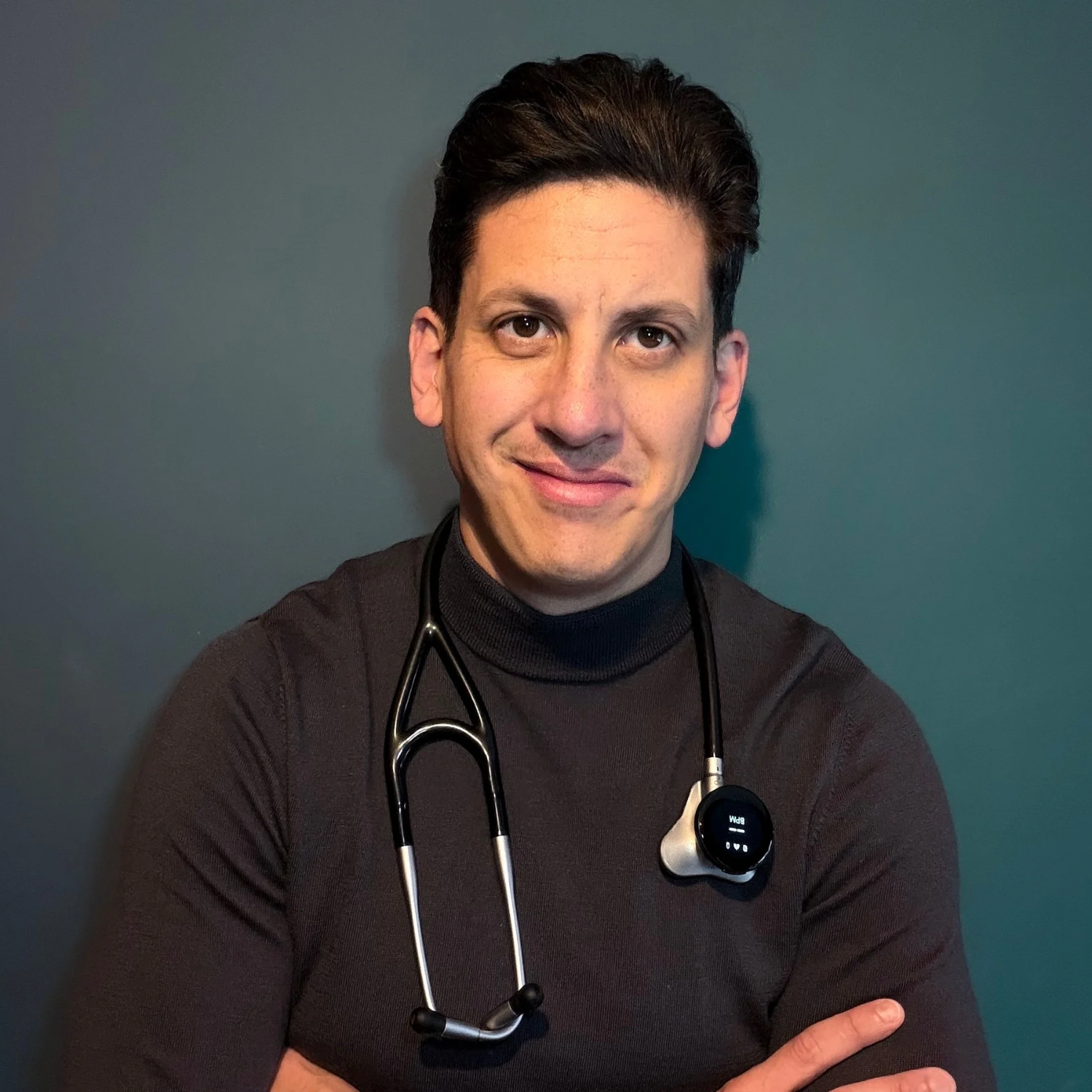
Welcome
Your future health is being built today. The choices you make, the habits you repeat and the risks you address all influence the direction your health is heading.
This guide is designed to help you better understand that trajectory.
Inside, you’ll find some of the key factors that influence healthy ageing, the biomarkers that matter most and the questions worth asking before problems arise.
I hope it helps you think differently about your health and what you want it to allow you to do in the years ahead.
Dr William Dawson
Most people know how old they are. Few know how well they are ageing.
When people think about ageing, they often think about birthdays. Healthcare often focuses on disease. But neither tells you much about how well your body is functioning today or what your future health is likely to look like. The reality is that ageing begins long before symptoms appear.
Muscle mass gradually declines. Recovery becomes slower. Blood pressure rises. Metabolic health drifts. Cardiovascular risk accumulates. Many of the changes that have the greatest impact on future health happen silently over years or decades.
The good news is that many of the factors that influence how we age can be measured, monitored and improved.
Your future health is not determined by your age. It is determined by your trajectory.
The question is not:
“How old am I?”
The question is:
“What direction is my health moving in?”
What Does Ageing Well Actually Mean?
Most people are not simply looking to live longer. They want to remain energetic, capable and independent for as long as possible.
They want to continue travelling.
Spending time with family.
Pursuing new challenges.
Building businesses.
Enjoying retirement.
Remaining active and resilient.
Health is not the destination. It is what allows everything else.
The goal is not simply lifespan. The goal is health-span.

The Five Biggest Drivers Of Healthy Ageing
-
One of the strongest predictors of healthy ageing is not body weight. It is strength.
Research consistently shows that muscle mass, grip strength and physical function are associated with lower mortality, reduced frailty and greater independence later in life.
Practical priorities:
● Resistance training at least twice weekly
● Maintain adequate protein intake
● Move daily
● Focus on preserving muscle as you age
Ask yourself:
Am I stronger today than I was two years ago?
-
Cardiovascular disease remains the leading cause of death worldwide.
The challenge is that risk often develops silently.
Many people feel perfectly well whilst blood pressure rises, cholesterol accumulates and cardiovascular risk increases.
Practical priorities:
● Know your blood pressure
● Understand your cholesterol profile
● Improve cardiovascular fitness
● Prioritise sleep and recovery
● Avoid smoking
Small improvements maintained over years can significantly alter your future risk.
-
Metabolic health is one of the most important foundations of healthy ageing.
When metabolic health is strong, energy, weight regulation, cardiovascular health and cognitive performance tend to follow.
When metabolic health deteriorates, the risk of many chronic diseases begins to rise.
Practical priorities:
● Maintain a healthy waist circumference
● Build and preserve muscle mass
● Prioritise protein and fibre
● Reduce ultra-processed foods
● Stay physically active throughout the day
● Support healthy sleep and stress management
Many of the benefits people attribute to longevity interventions actually come from improving metabolic health.
-
Sleep is often the first thing sacrificed and one of the most important things to protect.
Poor sleep influences:
● Blood pressure
● Appetite regulation
● Weight management
● Recovery
● Mood
● Cognitive performance
Practical priorities:
● Aim for 7–9 hours of sleep
● Maintain consistent sleep and wake times
● Get exposure to morning daylight
● Reduce evening screen exposure
Sleep is one of the most powerful performance and longevity interventions available.
-
The greatest advantage in preventative health is time.
Most chronic diseases develop gradually over many years.
Small improvements made consistently today can dramatically influence your future health.
The best time to improve your health is before you are forced to.

The Biomarkers That Matter Most
-
One of the most powerful predictors of future cardiovascular disease. High blood pressure often causes no symptoms until damage has already occurred.
Ideal target: Around 120/80 mmHg.
-
ApoB measures the number of potentially artery-damaging lipoprotein particles circulating in your bloodstream. It is often a better predictor of cardiovascular risk than cholesterol alone.
General target: Less than 0.8 g/L.
-
Lp(a) is largely determined by genetics. Approximately one in five people have elevated levels. It is one of the strongest inherited risk factors for cardiovascular disease.
Most people only need to measure it once.
-
HbA1c reflects average blood glucose levels over approximately three months. It provides valuable insight into metabolic health and future diabetes risk.
Optimal: 30-40 mmol/mol.
-
A marker of systemic inflammation. Persistent low-grade inflammation is associated with cardiovascular disease and many age-related conditions.
Ideal target: Less than 1 mg/L.

Five Questions That Could Change Your Future Health
1. What do I want my health to allow me to do in twenty years’ time?
Most people think about how long they want to live. A more meaningful question is how they want to live.
2. Am I becoming stronger, more resilient and more capable as I age?
Ageing is inevitable. Decline is not.
3. Do I know what is happening beneath the surface?
The absence of symptoms is not the same as the presence of health.
4. Are my daily habits aligned with the future I want?
The future version of you is being built by today’s decisions.
5. If nothing changed, where would my health be in five years?
Would you be happy to continue on your current path? Or is there a gap between the future you want and the trajectory you are currently on?
What Happens Next?
Information alone rarely changes health. Clarity creates action.
Many people have more health information than ever before. What they often lack is understanding.
What matters most?
What should be prioritised?
What should happen next?
The purpose of understanding your biomarkers, habits and risks is not to accumulate more data. It is to make better decisions.
At The Hundred Society, we help you understand:
● Where you are today
● Your key health risks and opportunities
● The biomarkers that matter most
● Your health trajectory
● A personalised roadmap for improvement
Because the most important part of any health assessment is not the test.
It is what happens next.
If you’d like clarity on your current health, future risks and priorities, book a free Discovery Call.
About the Author
Dr William Dawson MBChB BSc (Hons) MRCGP PGDip is an experienced General Practitioner, Lifestyle Medicine and Longevity Doctor with almost 20 years of clinical experience and a decade in senior healthcare leadership roles.
His work focuses on helping people improve their health, reduce future disease risk and maintain the energy, strength and vitality needed to enjoy life as they age.
He is the founder of The Hundred Society, a doctor-led health advisory service helping people improve health, performance and longevity through clarity, structure and direction.
The information contained within this guide is provided for educational purposes only and is not intended to replace personalised medical advice, diagnosis or treatment.
Reading this guide or subscribing to communications from The Hundred Society does not establish a doctor–patient relationship with Dr William Dawson or The Hundred Society.
If you have concerns about your health, symptoms or existing medical conditions, please seek advice from your GP or another appropriately qualified healthcare professional.